
Americans eat sandwiches constantly. More than 300 million per day, according to industry data. That consistent demand makes sandwich franchises look attractive on paper, but demand doesn’t automatically translate to profitability. Plenty of franchise owners lose money even in popular categories.
If you’re seriously considering a sandwich franchise, you need to understand the actual economics. Not the marketing pitch from franchise development reps, but the real numbers that determine whether you’ll make money or struggle to break even.
This article breaks down the profit factors in sandwich franchises, what separates successful operators from struggling ones, and what you should look for before investing. We’ll also look at how Quiznos and other brands structure their operations to maximize franchisee profitability.
Why Sandwich Franchises Have Strong Unit Economics
Sandwich shops have some built-in advantages compared to other restaurant formats. Lower overhead costs are the biggest one. You don’t need expensive cooking equipment, elaborate kitchens, or extensive ventilation systems. A prep station, some refrigeration, maybe an oven for toasting, that covers most operations.
The smaller footprint requirement reduces real estate costs significantly. While a full-service restaurant might need 2,500 to 4,000 square feet, many successful sandwich franchises operate profitably in 1,200 to 1,800 square feet. That difference matters when you’re paying rent every month.
Fast turnover during peak hours is another advantage. The build-your-own sandwich format allows for high throughput. During lunch rush, a well-run sandwich shop can serve 60 to 100 customers per hour. Compare that to sit-down restaurants where table turnover limits revenue potential.
The Real Numbers on Food and Labor Costs
Food costs for sandwich operations typically run 25% to 35% of sales. That range depends on your ingredient quality and menu complexity. Premium meats and artisanal breads push costs higher, but they also support higher menu prices if customers perceive the value.
Labor efficiency is where sandwich franchises really shine. Many locations operate successfully with 4 to 6 employees per shift. That’s dramatically lower than full-service restaurants that might need 12 to 20 staff members during peak periods. Lower headcount means lower payroll burden, simpler scheduling, and less management complexity.
Pricing flexibility through customization creates upsell opportunities. Extra cheese, premium toppings, combo meals, drinks. These add-ons improve per-ticket averages without significantly increasing labor or preparation time. A $2 upcharge for bacon costs you maybe 40 cents in food cost but requires no additional labor.
Market Demand and Growth Trends
The sandwich and sub segment generates over $25 billion in annual revenue in the U.S. That’s not a niche market. This is a massive, established category with consistent consumer demand across all demographics.
Growth continues despite market maturity because consumer preferences align well with what sandwich concepts offer. Younger consumers, millennials and Gen Z in particular, prioritize customization, speed, and value. They want to personalize their meals, they don’t want to wait 45 minutes for food, and they’re price-conscious. Sandwich franchises check all those boxes.
Portability matters more as work patterns change. More people eating at their desks, in cars, or taking food to go means sandwiches have a structural advantage over food that requires plates and utensils.
What Separates Profitable Sandwich Franchises from Struggling Ones
Not all sandwich franchises perform equally. Some brands consistently deliver strong unit economics while others struggle. What makes the difference?
Brand recognition matters enormously. Customers trust familiar names. A strong brand reduces your marketing burden and gives you immediate credibility when you open. Unknown brands require years of local marketing to build the same customer base that an established franchise gets on day one.
Menu variety and innovation keep customers coming back. Limited-time offers, seasonal items, and specialty sandwiches prevent menu fatigue. Brands that let their menus stagnate see declining same-store sales as customers get bored and try competitors.
Efficient supply chains directly impact your food costs. Franchises with strong supplier relationships and distribution networks help you manage ingredient costs and maintain quality consistency. Poor supply chains mean you’re constantly scrambling for ingredients, dealing with quality issues, and watching your food costs fluctuate unpredictably.
Training and marketing support from the franchisor determines how quickly you become profitable. Good franchisors provide comprehensive training, ongoing operational support, and actual marketing help beyond just collecting marketing fees. Bad franchisors take your money and leave you to figure everything out yourself.
How Quiznos Differentiates on Profitability
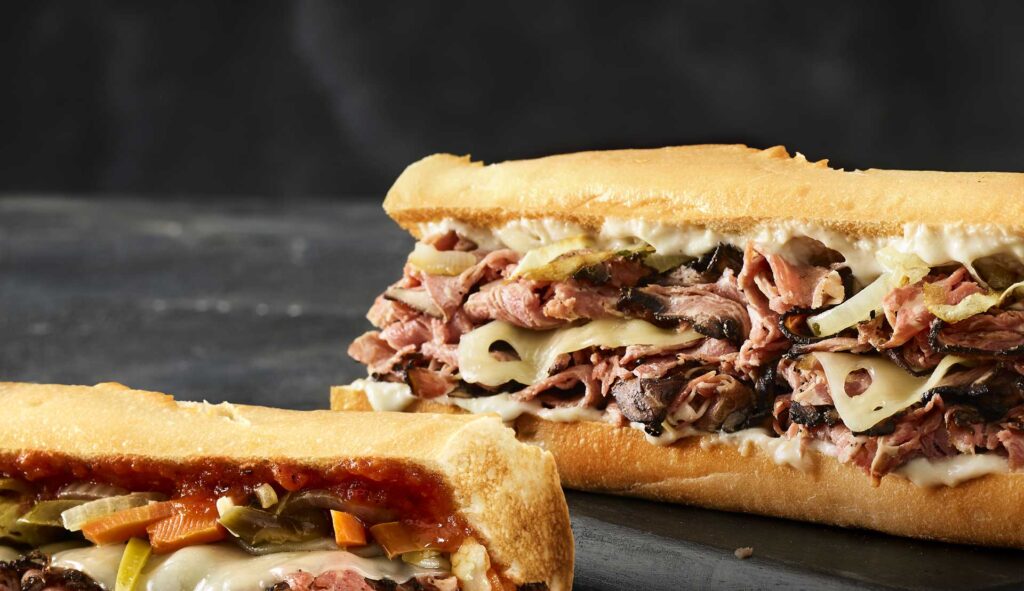
Quiznos pioneered toasted subs, which remains a genuine differentiator. The toasting process creates better texture and flavor compared to cold sandwiches, and customers notice the difference. That product distinction supports premium pricing and customer loyalty.
The modular Qube design reduces overhead while maintaining customer appeal. Smaller footprints mean lower rent, lower buildout costs, and faster time to opening. The format works in markets where traditional restaurant real estate would be too expensive or unavailable.
Investment Costs and Timeline to Profitability
Typical sandwich franchise investments range from $220,600 to $611,000 depending on format, location, and buildout requirements. That includes your franchise fee, equipment, construction, and initial inventory. Inline locations in existing shopping centers cost less than freestanding buildings. Modular formats like Quiznos’ Qube can reduce the initial investment further.
Ongoing fees eat into your margins every month. Royalty fees typically run 5% to 8% of gross sales. Marketing fees add another 2% to 5%. These percentages might sound small, but on $500,000 in annual revenue, you’re sending $25,000 to $65,000 back to the franchisor. Factor these costs into your projections before you commit.
Break-even timelines vary widely, usually falling between 18 and 36 months. Location drives this more than anything else. High-traffic locations with strong visibility break even faster. Poor locations can take years to reach profitability, if they ever do. Real estate costs, local competition, and your operational efficiency all influence how quickly you start making money.
The Qube format’s reduced footprint and investment can accelerate the path to break-even. Lower initial debt means less monthly debt service. Smaller spaces mean lower rent. Both factors help you reach profitability faster than larger, more expensive formats.
Sandwich Franchises vs. Other Food Categories
How do sandwich concepts compare to other popular franchise categories?
Pizza franchises require specialized ovens, ventilation systems, and often delivery infrastructure. Initial investments typically run higher, from $300,000 to $700,000. Labor requirements are similar to sandwiches, but equipment costs and maintenance are significantly higher.
Burger franchises need full kitchens with grills, fryers, and complex ventilation. Investments range from $400,000 to $1,500,000 depending on the brand. Labor requirements are higher because burger operations require actual cooking skills and careful timing, not just assembly.
Full-service restaurants demand much higher investments, typically $500,000 to $2,000,000 or more. They require larger spaces, extensive staffing, liquor licenses in many cases, and significantly more complex operations. The potential upside is higher, but so is the risk and the operational complexity.
Sandwich concepts generally offer lower startup costs, simpler operations, and faster service than these alternatives. That makes them more accessible for first-time franchisees and reduces operational complexity for everyone.
How to Evaluate a Sandwich Franchise Before You Invest
Don’t rely on franchise sales reps to tell you whether an opportunity is profitable. Do your own due diligence. Here’s what you need to research:
Request actual unit economics and sample P&L statements. Item 19 of the Franchise Disclosure Document sometimes includes this information, though many franchisors don’t provide it. If they won’t share performance data, that’s a red flag. Talk to existing franchisees directly about their revenues, costs, and profitability.
Evaluate brand longevity and market perception. How long has the franchise been in business? What’s their reputation among customers? Check online reviews, social media sentiment, and local market awareness. A brand with strong recognition makes your job easier. An unknown brand means you’re spending years and money building awareness yourself.
Review franchisee satisfaction and turnover rates. Item 20 of the FDD shows how many franchises opened, closed, or were transferred. High turnover is a warning sign. Talk to current franchisees, but also try to find former franchisees who left the system. They’ll often tell you things current owners won’t.
Assess the innovation pipeline. Is the brand investing in new menu items, technology tools, and store formats? Or are they coasting on past success? Brands that stop innovating eventually lose market share to competitors who are actively improving their offerings.
Check territory availability in markets you’re interested in. Some franchises have already saturated desirable locations. Others, like Quiznos, have open territories in strong markets because they’re rebuilding their footprint strategically rather than just putting locations everywhere.
Is a Sandwich Franchise Right for You?
Sandwich franchises can be profitable with the right brand, location, and execution. The low overhead and high demand make them attractive, but they’re not guaranteed money makers. Your success depends on choosing a strong brand, securing a good location, and operating efficiently.
Quiznos offers some specific advantages for franchisees. The toasted sub concept provides genuine product differentiation. The Qube model reduces initial investment and ongoing overhead. Open territories mean you’re not fighting for marginal locations. The brand has recognition and nostalgia working in its favor.
But no franchise succeeds on autopilot. You need to understand local market dynamics, manage costs carefully, hire and train good staff, and maintain operational consistency. The franchise gives you a system and support, but you’re still running a business that requires attention and effort.
Frequently Asked Questions
Are sandwich franchises actually profitable?
Yes, sandwich franchises can be profitable when operated efficiently with strong brand support. Typical profit margins range from 10% to 20% of revenue after all expenses, including franchise fees and debt service. However, profitability varies significantly based on location, local competition, rent costs, and operator efficiency. Some locations generate six-figure annual profits while others barely break even. Success depends more on execution and location selection than just choosing the right brand.
What does it cost to start a sandwich franchise?
Total investment for sandwich franchises typically ranges from $220,600 to $611,000 depending on format and location. This includes the franchise fee (usually $15,000 to $35,000), equipment and signage ($75,000 to $150,000), leasehold improvements ($60,000 to $300,000), and initial inventory and working capital ($20,000 to $50,000). Inline locations in existing shopping centers cost less than freestanding buildings. Modular formats like the Qube can reduce initial investment by minimizing construction and real estate costs.
What makes a sandwich franchise a good investment?
The best sandwich franchises combine strong brand recognition, proven operational systems, reasonable investment requirements, and genuine franchisee support. Look for brands with solid unit economics, meaning average locations generate enough revenue to cover costs and provide reasonable returns. Menu innovation matters because stale concepts lose customers to competitors. Supply chain efficiency helps control food costs. And responsive franchisor support makes the difference between struggling alone and having real help when problems arise.
Is Quiznos a good sandwich franchise opportunity?
Quiznos offers several advantages as a franchise opportunity. The toasted sub concept provides product differentiation that supports premium pricing. The brand has strong recognition and nostalgia among consumers who remember it from its peak years. Investment costs are competitive, especially with the modular Qube format. Territory availability is better than more saturated brands, giving new franchisees actual choice in location. The franchisor has rebuilt support systems specifically to help franchisees succeed. However, like any franchise, success depends on choosing the right location and executing operations well.
How do sandwich franchises compare to pizza or burger franchises?
Sandwich franchises generally require less space, staff, and equipment than pizza or burger concepts, resulting in lower startup costs and operational complexity. Pizza operations need specialized ovens and ventilation, often with delivery infrastructure. Burger franchises require full kitchens with grills and fryers. Both typically involve higher labor costs because they need actual cooking skills. Sandwiches rely more on assembly than cooking, which simplifies training and operations. The tradeoff is that sandwich concepts may have lower revenue ceilings than other categories, but they also have lower operating costs and risks.